Photo: sciencedaily.com
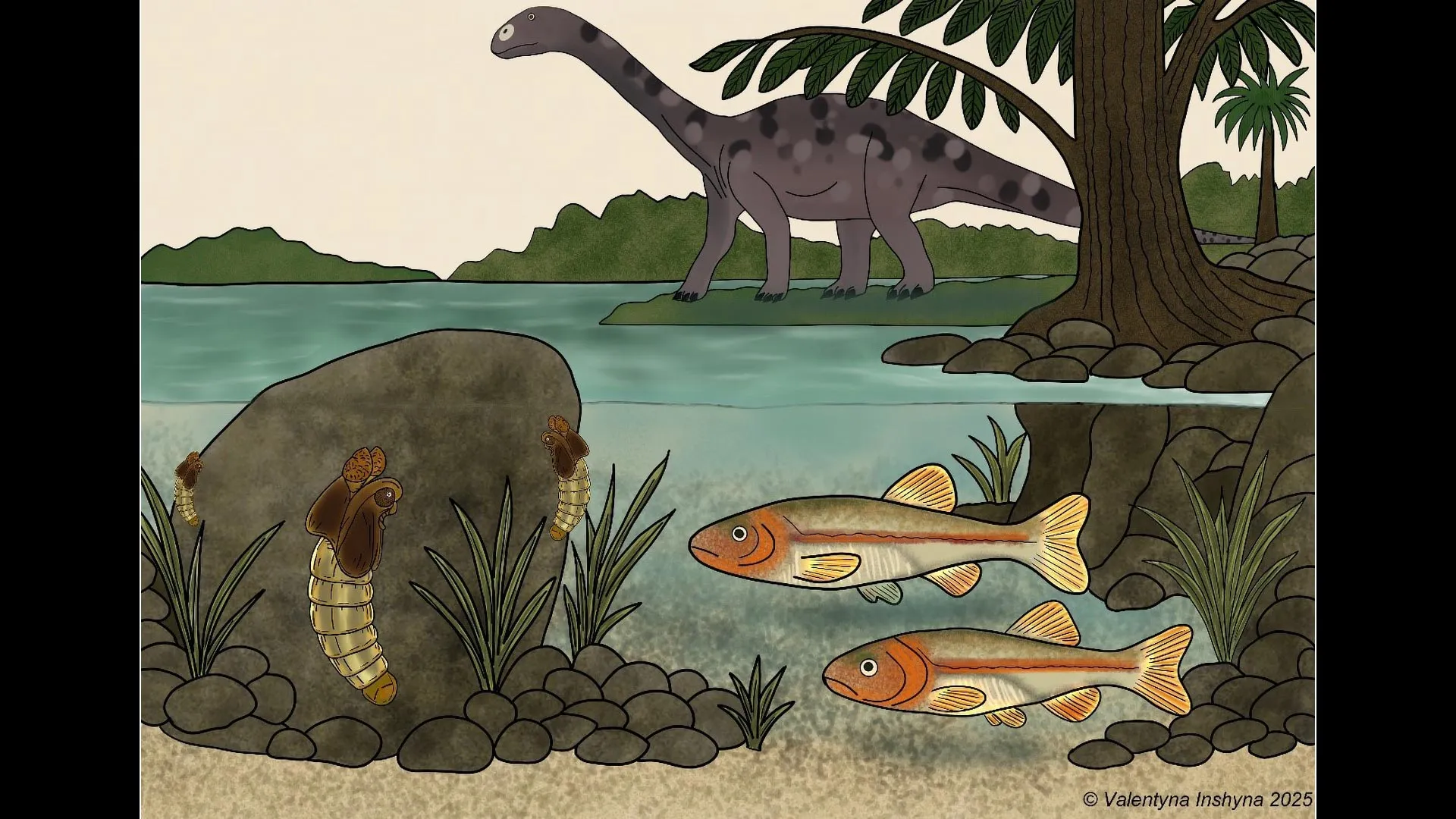
A 151-million-year-old fly just changed what we know about evolution
A newly identified 151-million-year-old fossilized fly in Australia reshapes our understanding of the Chironomidae family and its evolution in the Southern Hemisphere.
- Researchers from the Doñana Biological Station discovered a fossilized fly species in New South Wales, Australia, dating back to the Jurassic period, approximately 151 million years old.
- This fossil represents the oldest known member of the Chironomidae family, which is significant for understanding freshwater ecosystems in ancient Gondwana.
- The finding provides new insights into the evolutionary history of insects, particularly how Chironomidae adapted in the Southern Hemisphere during the Jurassic era.
Why It Matters
This discovery has significant implications for our understanding of insect evolution and biodiversity in prehistoric ecosystems. It sheds light on the ecological dynamics of freshwater habitats in Gondwana. Future research may reveal more about the environmental conditions that led to the adaptation of such species.