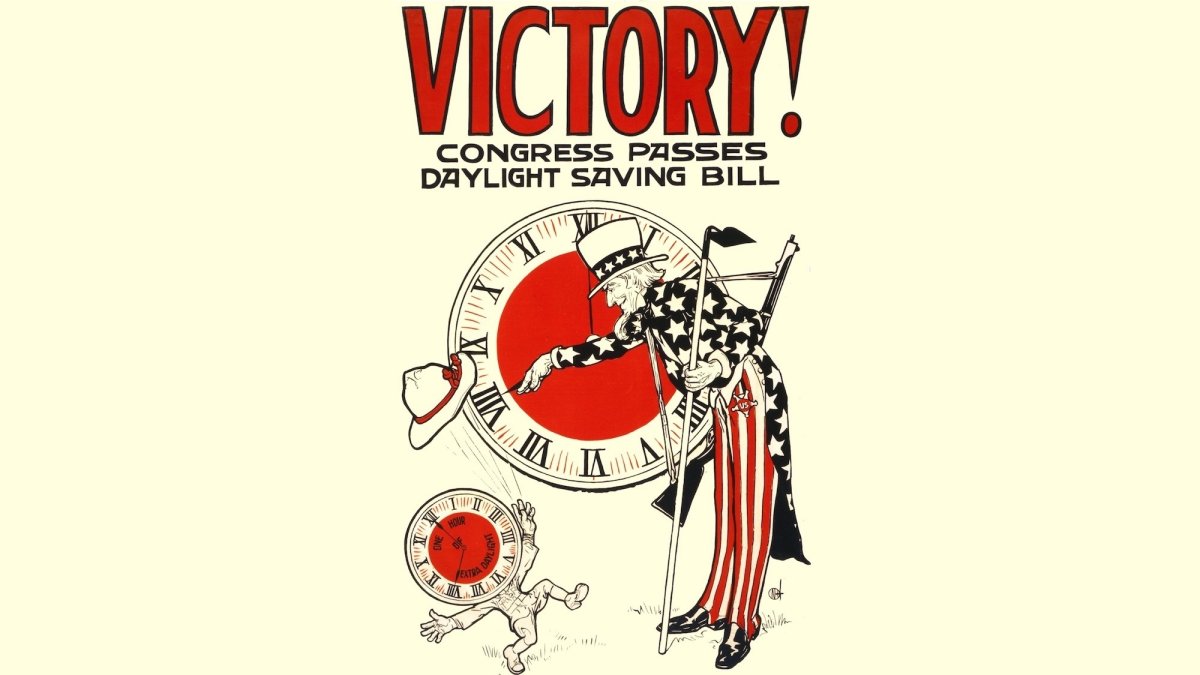
Photo: popsci.com
America's Experiment with Permanent Daylight Saving Time Ends in Discontent
Americas experiment with permanent daylight saving time is concluding, leading to widespread discontent as the nation prepares to revert to standard time on November 2nd.
- On November 2nd, the clock will turn back as America reverts to standard time, marking the end of a controversial permanent daylight saving time experiment.
- The transition back to standard time will result in an earlier sunset, prompting mixed feelings among Americans, with some celebrating the return of daylight saving time.
- As daylight saving time enthusiasts mourn the loss of extended evening light, critics argue that reverting to standard time is necessary for better mental health during winter.
Why It Matters
This change highlights the ongoing debate surrounding daylight saving time and its impact on public well-being, as Americans grapple with seasonal mood variations and energy consumption patterns. Reverting to standard time reflects broader societal discussions about health and productivity in relation to time management.