Photo: sciencedaily.com
"Ancient Supercontinent's Breakup Paved Way for Complex Life on Earth"
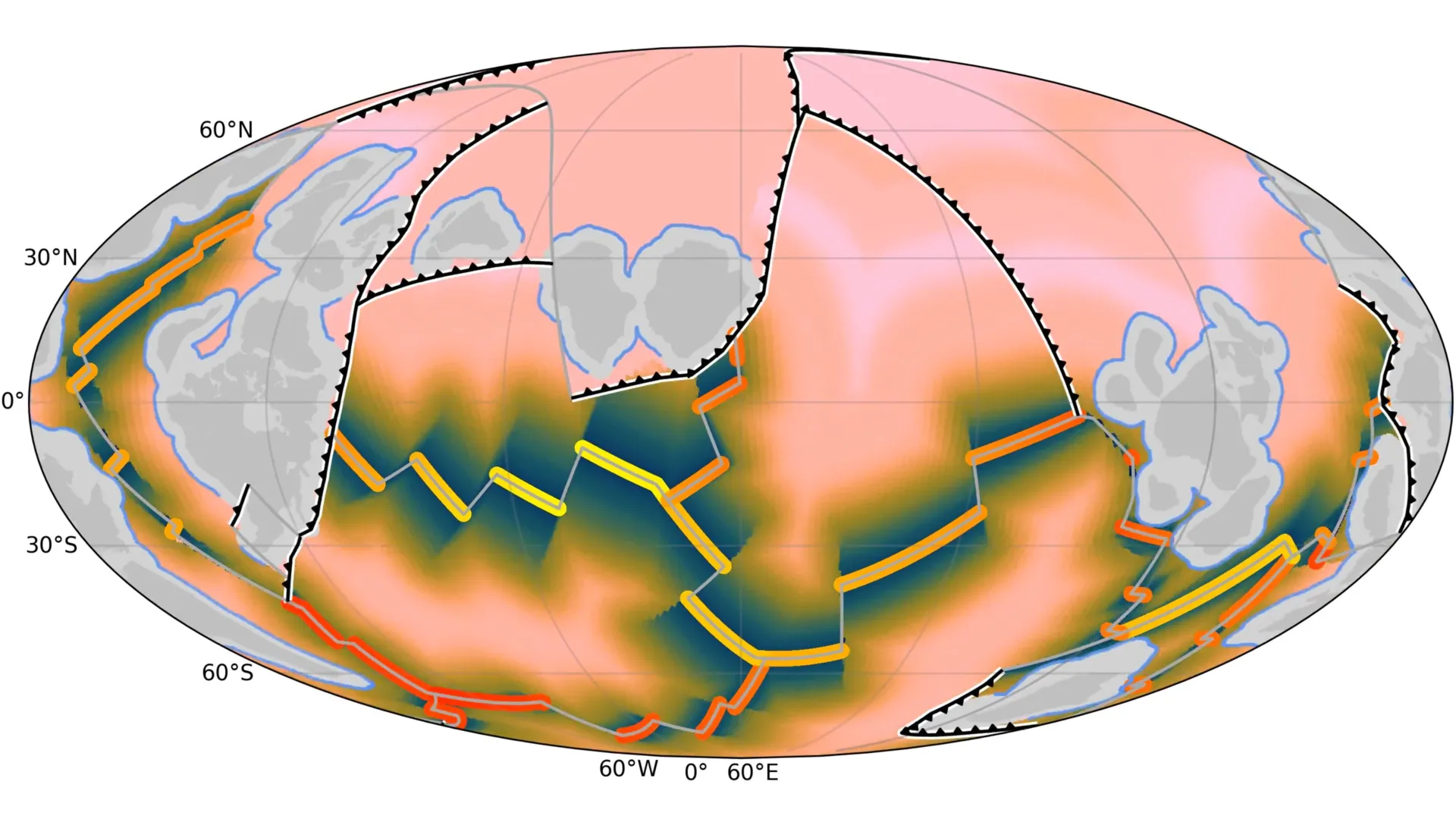
Scientists from the University of Sydney and the University of Adelaide reveal that the breakup of the ancient supercontinent Columbia 1.5 billion years ago was crucial for the emergence of complex life on Earth.
- The research highlights how the breakup of the supercontinent Columbia (supercontinent) influenced the distribution of oceans and landmasses, impacting the evolution of eukaryote life forms.
- By studying plate tectonics, scientists found that volcanic activity and changes in carbon dioxide levels played significant roles in shaping Earths climate and the development of complex ecosystems.
- Lead author Professor Dietmar Müller from the University of Sydney emphasized that this work provides new insights into the interconnected history of Earth, tectonics, climate, and the evolution of life.
Why It Matters
Understanding how the breakup of ancient supercontinents like Columbia influenced the emergence of complex life provides crucial insights into the history of Earth. This research underscores the importance of plate tectonics and climate in shaping the biosphere over geological time scales.