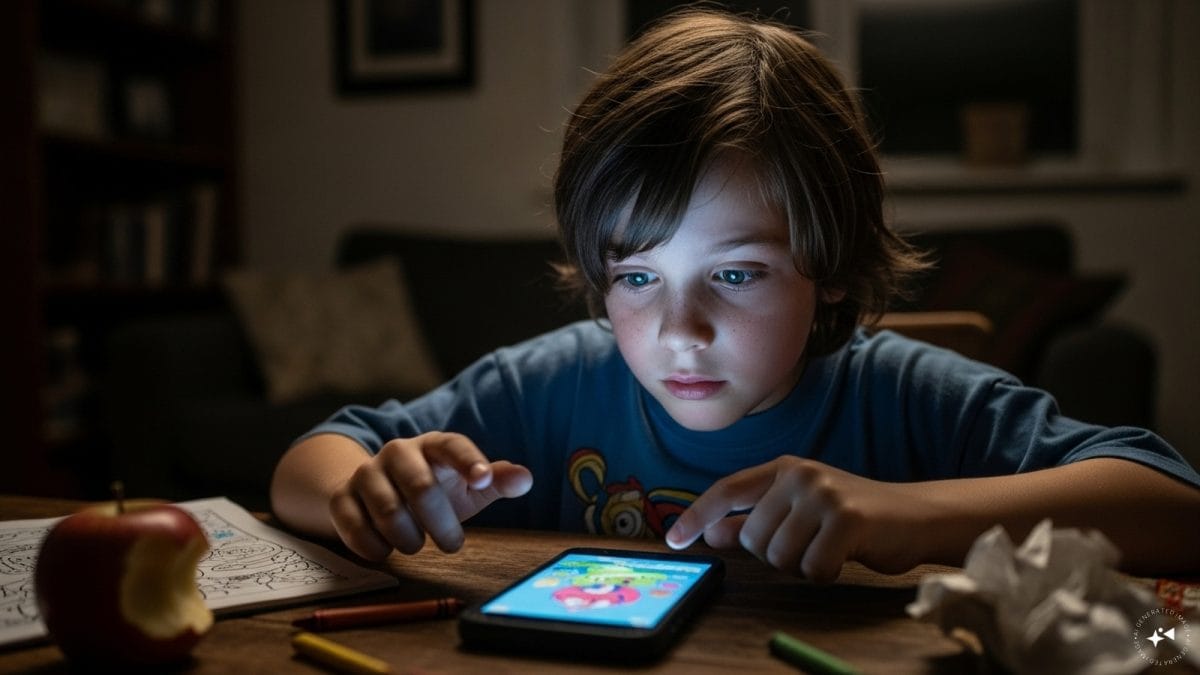
Photo: news18.com
How Digital Overload Is Causing Myopia In Children And What Parents Can Do
Digital overload is leading to an alarming rise in near-sightedness among children, posing long-term risks like cataract and glaucoma, making parental intervention crucial.
- Studies reveal that childhood near-sightedness rates have doubled in the last 30 years, with 30% of children now affected, primarily due to excessive screen time.
- The American Academy of Ophthalmology warns that myopia can lead to severe vision problems, including cataract and glaucoma, if left untreated in childhood.
- Experts in optometry recommend limiting screen time to less than two hours a day and encouraging outdoor activities to combat the rise in near-sightedness.
Why It Matters
The increasing incidence of near-sightedness among children highlights a significant public health concern, as it may lead to lifelong vision issues. Understanding the impact of digital habits on eye health is essential for parents to mitigate these risks.