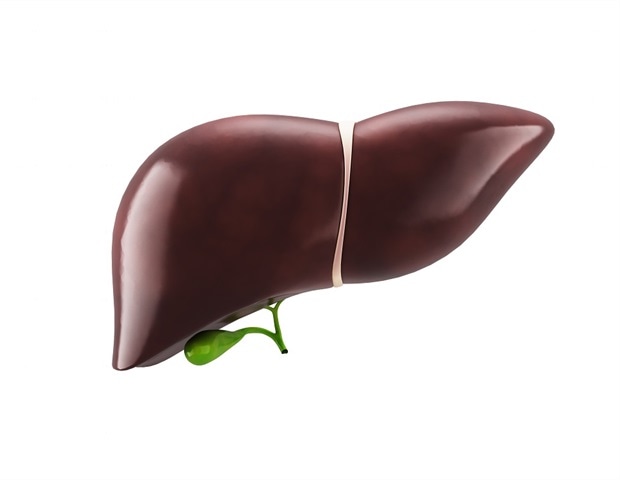
Photo: news-medical.net
Microarray platform could help predict immune‐mediated drug‐induced liver injury
Cincinnati Childrens Hospital and Roche have created a microarray platform to predict immune-mediated drug-induced liver injury, potentially transforming drug safety assessments.
- The new microarray platform utilizes human liver organoids and is designed to assess immune responses triggered by drugs, promising to enhance the prediction of drug-induced liver injury.
- Developed in collaboration with Roche, this technology leverages induced pluripotent stem cells to create organoids that closely mimic human liver responses to pharmaceuticals.
- Researchers, including those with a Doctor of Philosophy, emphasize the importance of this advancement in genetics for developing safer medications and minimizing adverse drug reactions.
- The platform aims to improve the drug development process, potentially reducing the incidence of liver injuries caused by immune responses and benefiting patients nationwide.
Why It Matters
This development is crucial for improving drug safety, particularly for patients who may be susceptible to immune-mediated adverse reactions. By predicting potential liver injuries, the platform could lead to more informed prescribing practices and ultimately save lives. The pharmaceutical industry and regulatory bodies will likely monitor these advancements closely as they may reshape drug testing protocols.