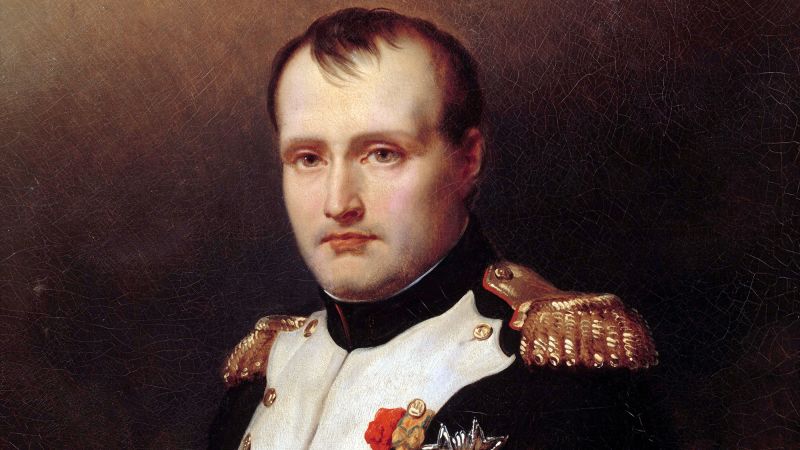
Photo: us.cnn.com
"Napoleon's 1812 Army Devastated by Typhus and Other Diseases"
Napoleons 1812 invasion of Russia resulted in catastrophic losses for the Grande Armée, exacerbated by a deadly typhus epidemic that decimated troops, underlining the impact of disease in warfare.
- During the French invasion of Russia in 1812, Napoleon led over half a million soldiers, but by the end of the campaign, only tens of thousands returned to France.
- The campaign was marked by a devastating typhus epidemic, caused by a pathogen that led to widespread infection among the troops, compounding the losses from battle and harsh conditions.
- Research has recently revealed DNA evidence linking the outbreak of typhus and relapsing fever to the conditions faced by the Grande Armée during the 1812 invasion.
Why It Matters
The events of Napoleons 1812 campaign illustrate how disease can drastically alter the outcomes of military conflicts, highlighting the importance of health and sanitation in wartime strategies.