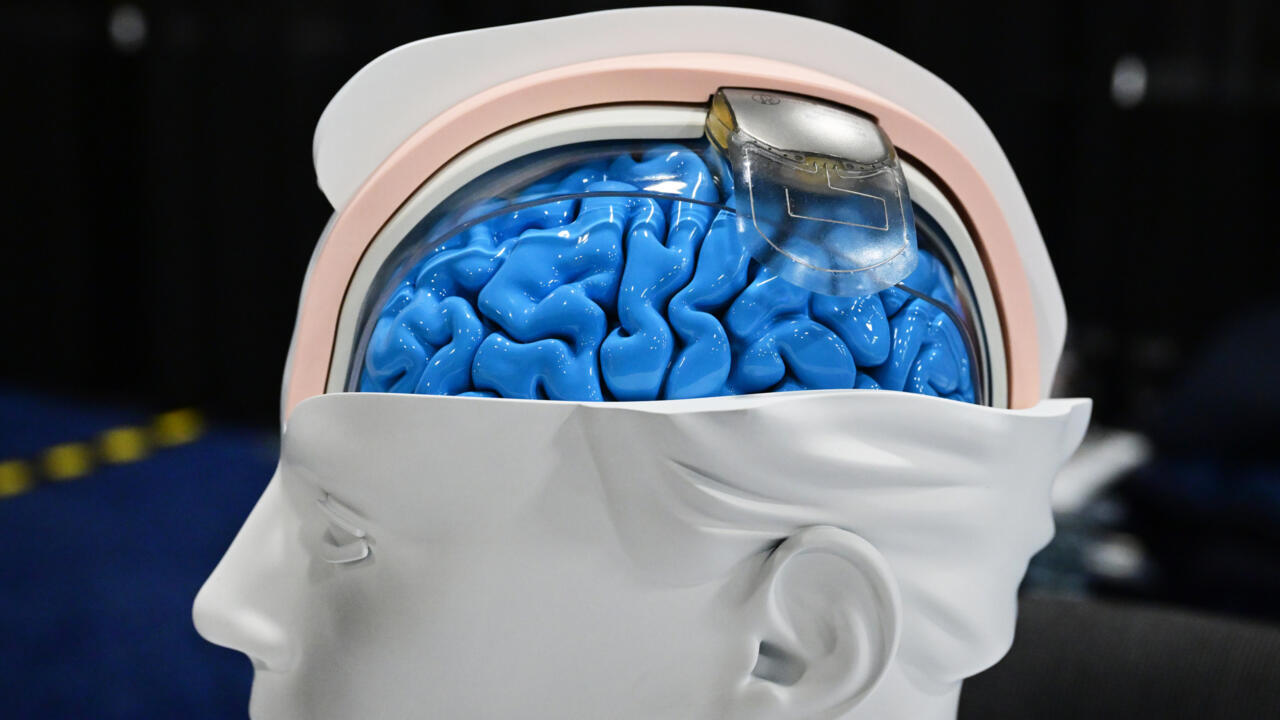
Photo: france24.com
Neurotechnology Advances: Bridging Thoughts and Actions with AI Innovations
Advancements in neurotechnology are transforming medical possibilities, such as enabling movement for those with paralysis, while raising significant ethics concerns about the implications of these technologies.
- Neurotechnology is making strides in translating thoughts into actions, with researchers claiming it could revolutionize treatment for conditions like ALS and paralysis.
- At Kings College London, experts emphasize that the rapid evolution of neurotechnology could soon parallel the transformative impact of artificial intelligence on society.
- Devices utilizing electronics to interface with the nervous system are being developed to restore mobility in individuals with paralysis, raising both hope and ethics questions.
Por Qué Es Relevante
Neurotechnology holds the potential to redefine the boundaries of medical science and rehabilitation. As these innovations emerge, it is crucial to address the ethical implications surrounding privacy, consent, and the human experience.