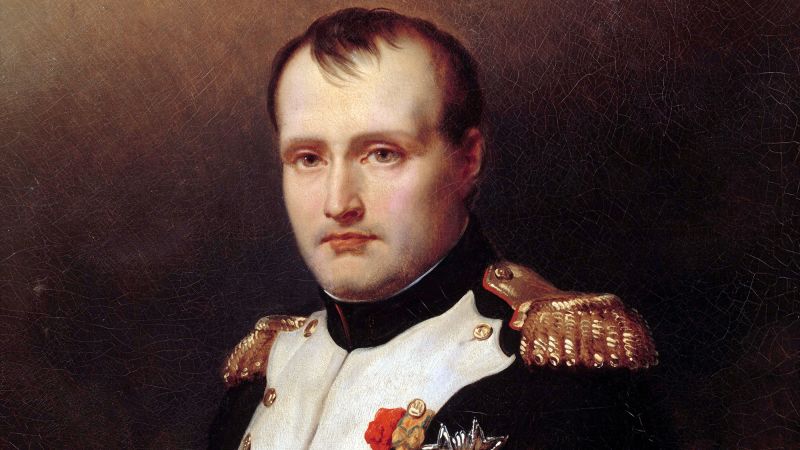
Photo: us.cnn.com
"Pathogens Plagued Napoleon's 1812 Army During Russian Campaign"
Research reveals that during Napoleons 1812 invasion of Russia, pathogens like typhus and relapsing fever devastated the Grande Armée, contributing to the catastrophic loss of life.
- Napoleon led the French invasion of Russia in 1812 with over half a million soldiers, but by the end of the campaign, tens of thousands returned to France due to dire conditions.
- The devastating typhus epidemic, caused by pathogens and bacteria, claimed countless lives within the Grande Armée, exacerbated by starvation and extreme cold during the retreat.
- Researchers have analyzed DNA from historical remains, providing evidence of infection rates and the impact of diseases like relapsing fever on the French army during the campaign.
Why It Matters
Understanding the role of pathogens like typhus in historical military campaigns highlights the critical intersection of health and warfare, which remains relevant in todays discussions about conflict and disease management.