"Unearthing Secrets: Howard Carter's Journey with Pharaoh Tutankhamun"
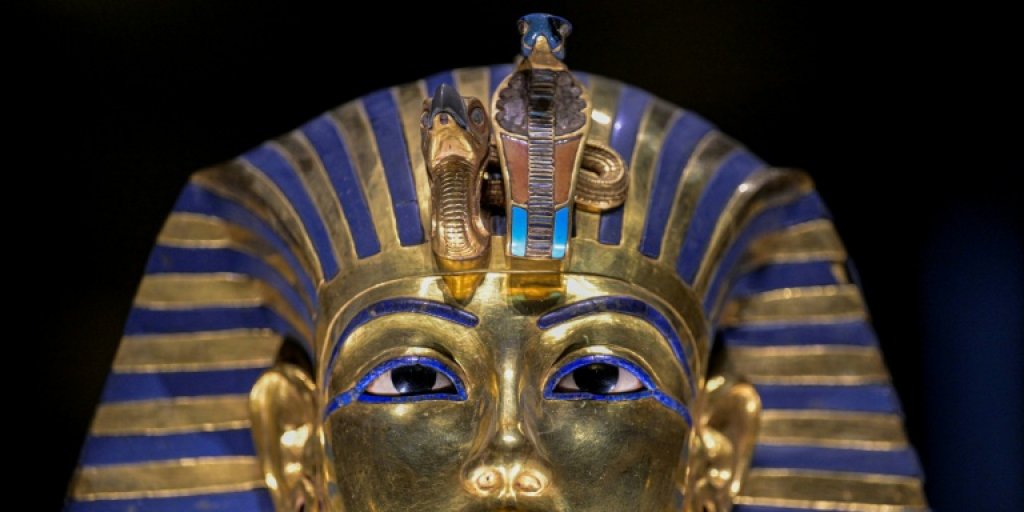
Howard Carters discovery of Pharaoh Tutankhamuns tomb in the Valley of the Kings unveiled extraordinary treasures, including a gold sarcophagus and a remarkably preserved mummy, revolutionizing the field of archaeology.
- In 1922, Howard Carter uncovered the intact tomb of Tutankhamun in the Valley of the Kings, marking one of the most significant archaeological finds in history.
- The tomb contained a wealth of artifacts, including a stunning gold sarcophagus, which highlighted the opulence of Pharaoh Tutankhamuns reign and ancient Egyptian burial practices.
- Today, many treasures from Tutankhamuns tomb, such as the mummy and various artifacts, are housed in the Egyptian Museum, captivating millions and enhancing our understanding of ancient Egypt.
Why It Matters
The discovery of Tutankhamuns tomb reshaped our understanding of ancient Egyptian culture and burial practices, inspiring ongoing interest and research in archaeology, while drawing global attention to Egypts rich historical heritage.