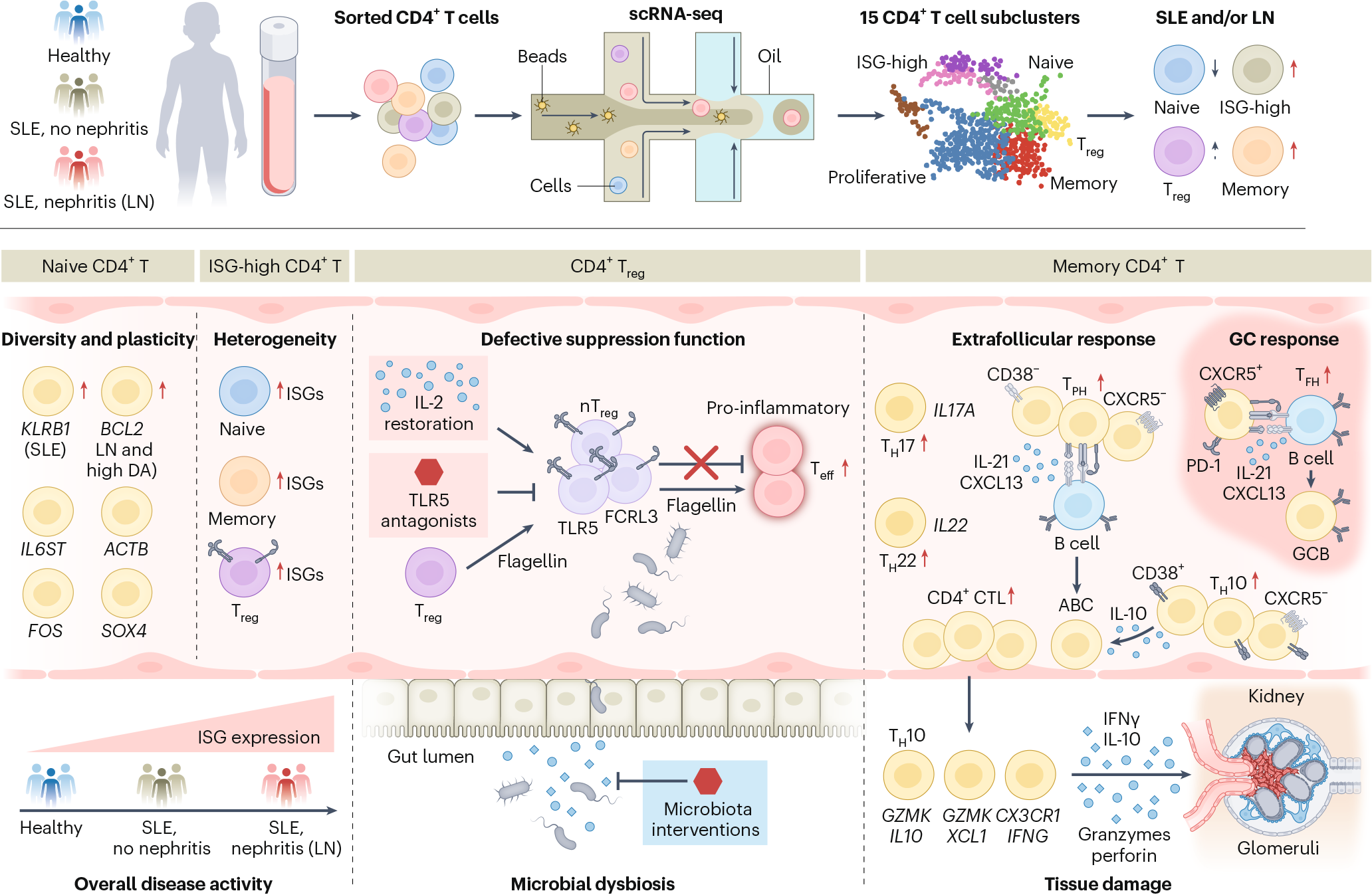
Photo: nature.com
"Unveiling T Cell Dynamics in Pediatric Lupus: A Path to Targeted Therapies"
Research on T cell dynamics in pediatric lupus reveals distinct immune mechanisms, potentially leading to targeted therapies that could revolutionize treatment for childhood-onset SLE.
- Pediatric SLE accounts for about 20% of lupus cases but often exhibits a more aggressive course, with up to 85% of children developing lupus nephritis due to unique immune responses.
- Studies indicate that CD4⁺ T cells play a crucial role in autoimmunity, highlighting the importance of understanding T cell dynamics and cell proliferation in developing effective immunotherapy.
- Research utilizing mouse models has identified specific T-cell receptor pathways that may be targeted to improve treatment outcomes for young patients suffering from this debilitating neoplasm.
Why It Matters
Targeted therapies based on T cell dynamics could transform treatment strategies for pediatric lupus, reducing reliance on generalized approaches like chemotherapy, and improving quality of life for affected children.