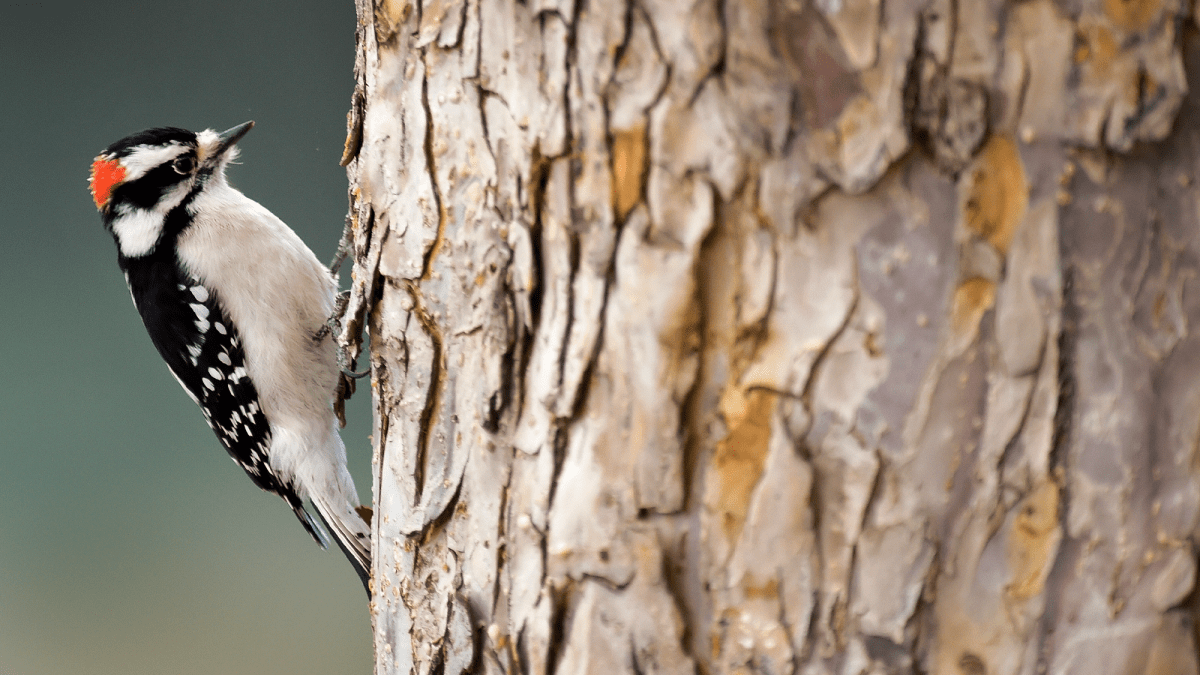
Photo: popsci.com
"Woodpeckers Pack a Punch: Grunting Powerhouses of the Woodland"
Woodpeckers demonstrate remarkable physical capabilities, using their strong muscles and rigid bodies to deliver powerful strikes with their beaks, akin to a hammer, while foraging in woodlands.
- Woodpeckers can strike trees at speeds of about 15 miles per hour, showcasing their impressive muscle coordination and strength during foraging.
- The Downy woodpecker is one species that utilizes its beak effectively, with its head, neck, abdomen, and tail muscles working together to form a rigid structure during impacts.
- By bracing their bodies like a hammer, woodpeckers can withstand the forces of impact, which has been compared to the mechanics seen in tennis players during powerful serves.
Why It Matters
Understanding the physical adaptations of woodpeckers can provide insights into avian biomechanics and evolutionary strategies, highlighting the intricate relationships between species and their environments.